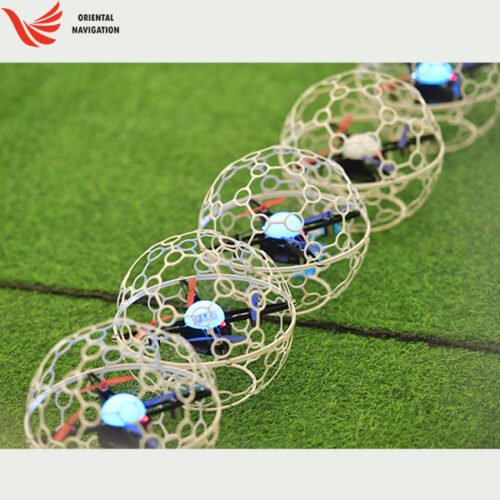
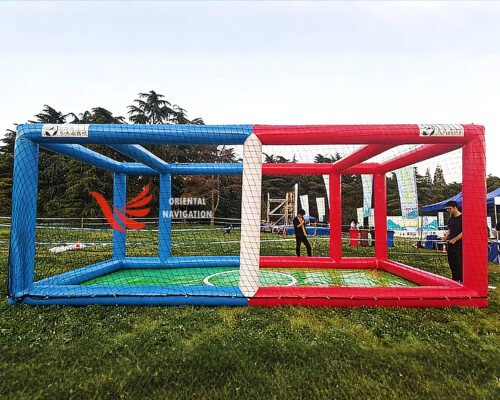
Imagine you’re teaching a drone soccer class with 20 enthusiastic students ready to show off their skills. Suddenly, just a few minutes in, the batteries run low. The lesson grinds to a halt, leaving students stuck waiting around while the drones recharge.
For schools, STEM training centers, and organizers of drone soccer events, this is a common planning challenge.
The good news? With enough spare batteries, the right charging equipment, and a well-thought-out rotation plan, you can keep your drone soccer activities running smoothly.
Next, I will cover the typical flight duration for drone soccer, the number of batteries to keep on hand for various scenarios, and how to manage the charging process during classes, training sessions, and competitions.

1. How Long Do Drone Soccer Batteries Last?
Unlike standard aerial photography drones, soccer drones are built for high-intensity, short-duration flight—involving rapid movement, frequent changes in direction, and even the occasional collision.
Actual flight time depends on several factors, including the drone model, motor type, flight intensity, battery condition, and environmental conditions.
Below are the official specifications for several “Oriental Navigation” drone soccer models:
| Drone Soccer Model: | Battery Capacity: | Official Rated Flight Time: |
| SKY 20 (Brushed) | 450 mAh, 7.4 V | Approx. 6 minutes |
| SKY 20 (Brushless) | 1000 mAh, 7.4 V | Up to 10 minutes |
| SKY 12.5 Mini | 450 mAh, 3.7 V | Approx. 5 minutes |
| SKY DIY | 450 mAh, 1S | Approx. 4.5 minutes |
Please note that these are manufacturer specifications; actual flight times during real-world activities may vary.
2. How Many Drone Soccer Batteries Should You Prepare?
The number of batteries required depends primarily on three factors:
- The number of drones flying simultaneously.
- The number of flight rounds each drone is expected to complete.
- Whether batteries can be safely recharged and reused during the activity.
A simple formula for this calculation is:
Number of drones flying simultaneously × Number of planned flight rounds per drone = Total number of battery uses required
If you do not intend to recharge batteries during the activity, you will need a fully charged battery for every single flight.
Additionally, you should always keep some spare batteries on hand to account for unexpected delays, equipment damage, or instances where a battery may become unusable.
Recommended Battery Quantities for Various Scenarios:
The following examples assume that batteries will not be recharged or reused during the scheduled flight rounds.
| Activity Type: | Drones Flying Simultaneously: | Planned Flight Rounds: | Recommended Battery Supply: |
| Small STEM Workshop | 4 | 2 | 10–12 |
| School Classroom | 6 | 3 | 20–24 |
| Drone Soccer Club | 10 | 3 | 36–40 |
| Extended Training or Tournament | 10 | 5 | 60–65 |
These figures are provided for planning purposes only (including a reasonable buffer) and are not strict requirements.
3. Fast Charging vs. Multi-Port Charging: What’s the Difference?
Battery quantity is only half the equation.
The charging system determines how efficiently your team can prepare batteries for the next session.
Importantly, not all drone soccer batteries use the same charging method.
SKY 20 Brushed: Fast-Charging Options
For compatible SKY 20 Brushed configurations, Oriental Navigation offers a specialized four-port fast-charging system.
This system is designed to charge up to four compatible fast-charge batteries in approximately five minutes under specified operating conditions.
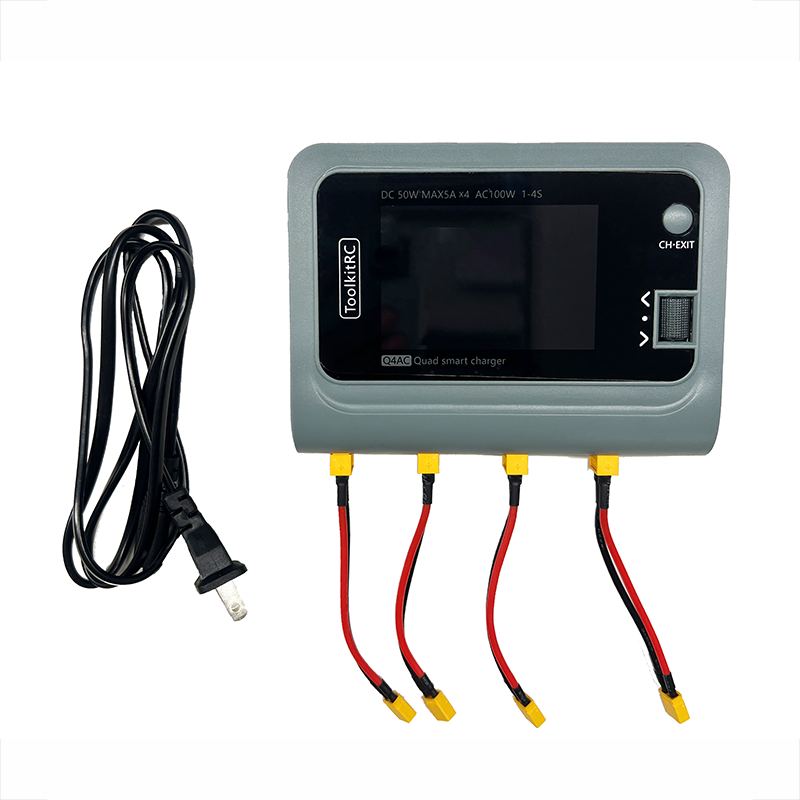
This can be particularly useful for:
- School drone soccer clubs
- STEM training centers with consecutive classes
- Event organizers managing multiple short demonstrations
- Teams running repeated practice rounds
However, fast charging is specific to compatible batteries and equipment. It should never be assumed that any ordinary drone battery can be charged at the same rate.
Used batteries must be checked and allowed to cool as instructed before recharging. Charging time may vary with battery condition, starting charge level, and operating conditions.
Important:SKY 20 Brushed and Brushless battery systems should not be treated as interchangeable. Always verify compatibility before purchasing batteries or charging equipment.
4. How to Manage Batteries During a 45-Minute STEM Class
Here is an example for a classroom with 20 students and 10 SKY 20 Brushed drones.
Sample Class Schedule:
| Time: | Activity: |
| 0–5 min | Safety briefing and equipment preparation |
| 5–11 min | First flight round |
| 11–16 min | Land drones, change batteries, and rotate roles |
| 16–22 min | Second flight round |
| 22–27 min | Team discussion and equipment checks |
| 27–33 min | Third flight round |
| 33–45 min | Student reflection, equipment shutdown, and battery management |
With 10 drones and three rounds, this example requires 30 charged batteries if none are reused during class.
Students can work in pairs, alternating between pilot and observer roles.
Teachers can also assign simple observation tasks, such as recording successful maneuvers or identifying flight-control improvements.
This approach makes better use of limited equipment while keeping students engaged between flights.
5. Essential Battery Charging Safety Rules
Drone soccer batteries require careful handling, especially in environments involving children.
Teachers and activity operators should establish a designated charging area away from the flying zone.
Follow these essential precautions:
- Use only manufacturer-approved batteries and compatible chargers.
- Never charge swollen, punctured, wet, or otherwise damaged batteries.
- Allow batteries to cool as instructed after flying before charging.
- Never leave charging batteries unattended.
- Keep charging equipment away from combustible materials and liquids.
- Do not exceed the manufacturer’s approved charging limits.
- Keep students away from charging equipment unless they are participating in an appropriately supervised activity.
- Store batteries in suitable conditions and protect their terminals from short circuits.
If a battery becomes unusually hot, swollen, or damaged, stop using it and follow the manufacturer’s safety and disposal instructions.
Teachers should also check their school’s electrical safety and lithium battery handling policies.
6. What Should You Check Before Buying Extra Batteries?
Before ordering drone soccer batteries in bulk, confirm these details with your supplier:
- Exact drone model and battery compatibility
- Battery voltage and capacity
- Expected flight time under normal operating conditions
- Compatible standard or fast-charging equipment
- Number of batteries that can charge simultaneously
- Charging time and battery cooling requirements
- Available spare battery quantities
- Applicable transport and shipping requirements
- Warranty and after-sales support
For schools purchasing complete equipment packages, it is often easier to plan drones, spare batteries, and charging stations together.
This reduces the risk of ordering incompatible batteries or charging equipment and helps ensure your drone soccer program is ready for regular training and competitions.
Recommended Drone Soccer Equipment for Schools and Clubs
Planning a drone soccer program for your school or club? Explore our complete drone soccer kits, including drones, batteries, protective cages, and charging equipment.