Avoid This Common Mistake When Choosing a DIY Drone Kit
When many schools, STEM institutions, or robotics clubs choose a DIY drone kit, they often fall into a common misconception:
“Wood must be stronger than foam.”
At first glance, wooden drone frames look solid, thick, and durable. Because of their rigid structure, many people instinctively believe that wooden DIY drone kits are more durable for classroom use.
However, after extensive real-world testing conducted by Oriental Navigation, we found that the opposite is true.
Wooden drone kits may look strong, but they are actually extremely brittle in real flight environments, especially in classrooms or training areas where collisions are unavoidable.
In contrast, foam-structured DIY drone kits are far more suitable for STEM education because they are lightweight, flexible, and impact-resistant.
Why Wooden DIY Drone Kits Break Easily in Classroom Training
In real teaching and training scenarios, drone collisions are unavoidable.
Beginner pilots often:
• lose control
• hit walls
• collide with floors
• bump into obstacles or other drones
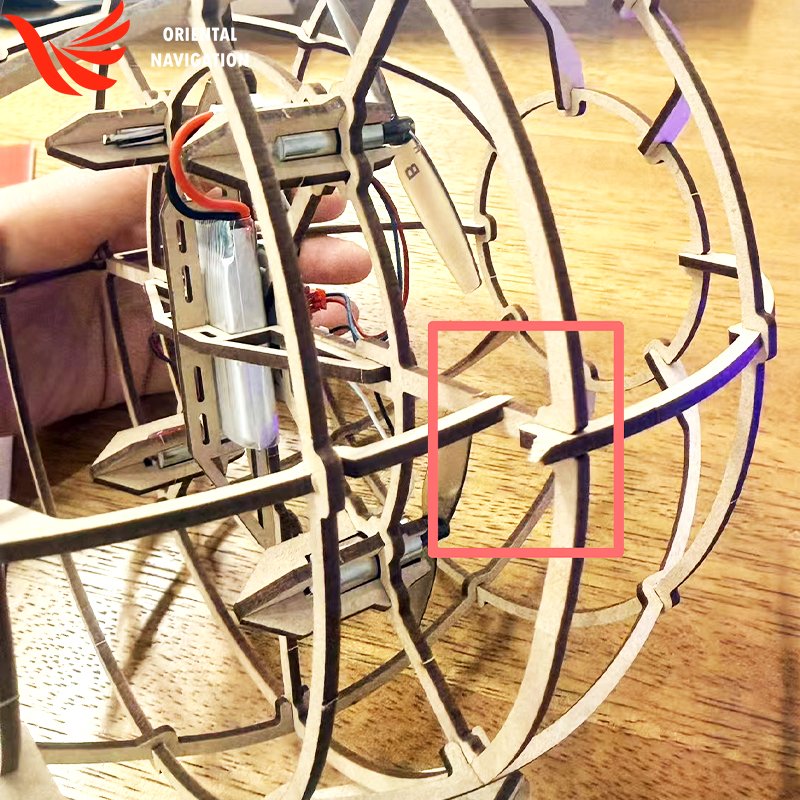
The biggest weakness of wooden drone kits is the brittleness of the material.
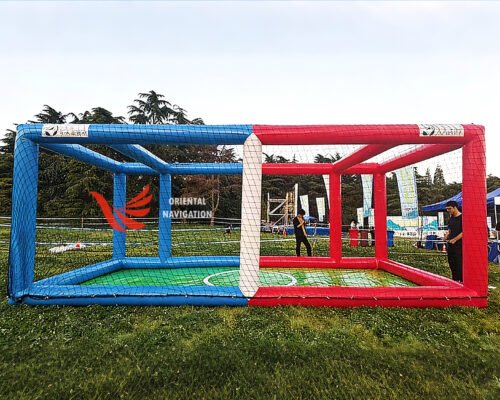
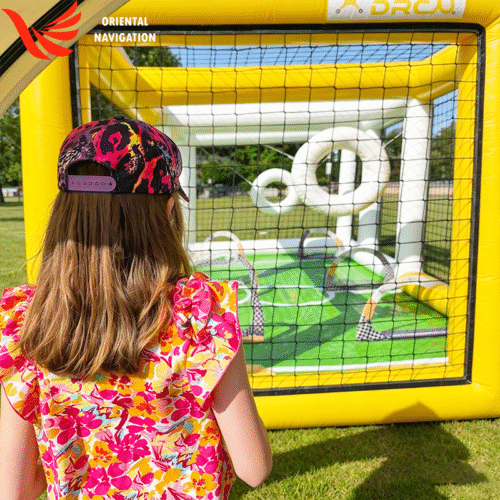
Unless the drone is flying inside a fully protected inflatable arena, even a small collision with a wall or hard surface can cause serious damage.
Common issues with wooden drone kits include:
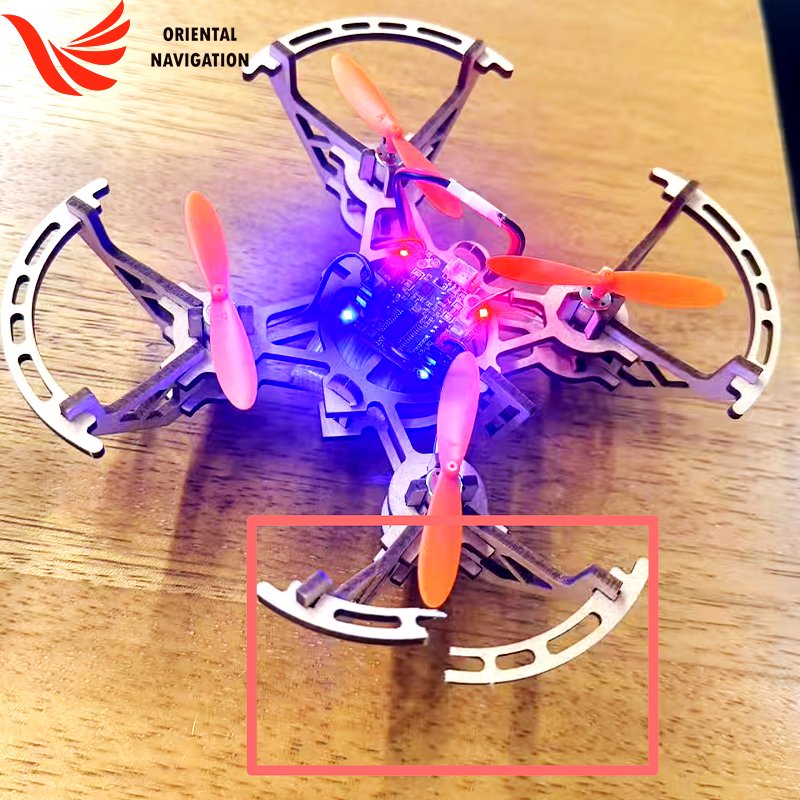
• Wooden frames cracking after light collisions
• Glue joints separating under stress
• Structural breakage after hitting walls
• Broken parts that cannot be repaired
In many cases, once the wooden structure breaks, the entire frame must be replaced.
Real Test Comparison: Wooden vs Foam DIY Drone Kits
To better understand durability differences, we conducted real collision tests in both inflatable arenas and standard indoor environments.
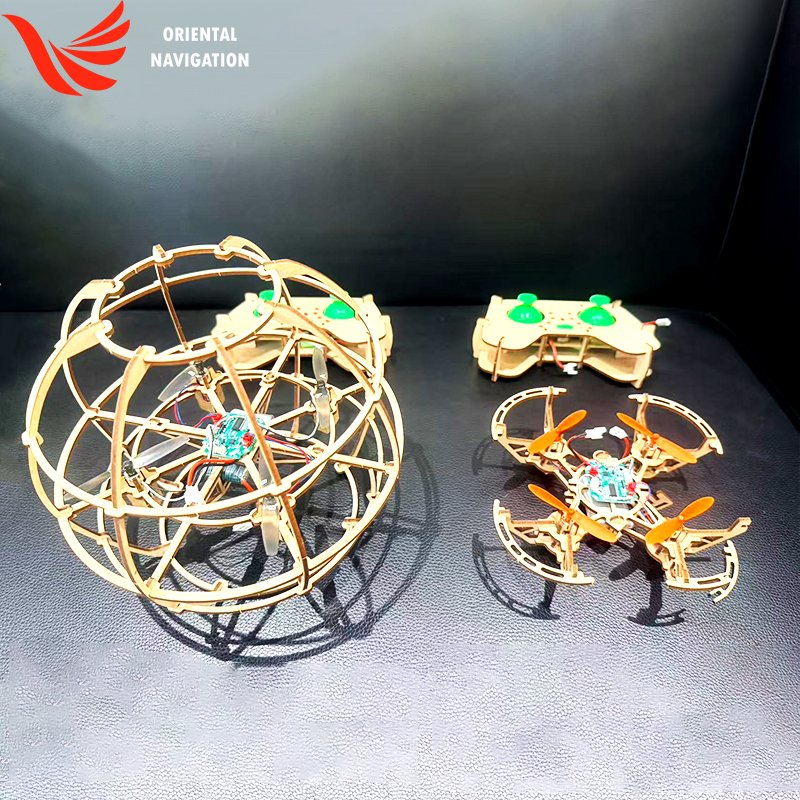
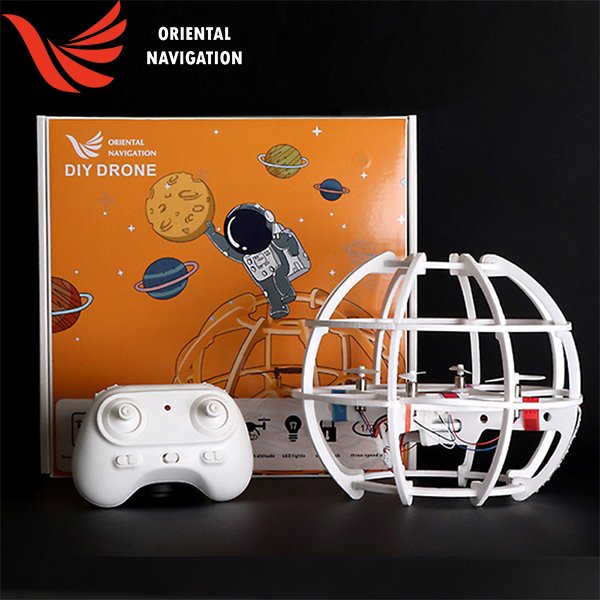
| Test Scenario | Wooden DIY Drone Kit | Foam DIY Drone Kit |
|---|---|---|
| Light collision in inflatable arena | Mostly intact but joints loosen | No damage |
| Collision with wall (normal classroom) | Frame cracks or breaks | Slight dent, rebounds quickly |
| Crash onto floor | Frame deformation, parts fall off | Minor surface wear |
| Repair cost | Usually requires full frame replacement | Only replace damaged parts |
| Reusability | 5–8 uses in inflatable arenas, often breaks after one collision on hard surfaces | Dozens of training sessions possible |
Wooden drone kits may look strong, but they are actually fragile in real training environments. Foam-based drone kits are far more durable and practical for classroom use.
Why Foam DIY Drone Kits Are Better for STEM Education
The DIY drone kits developed by Oriental Navigation are designed specifically for high-frequency classroom use and training environments.
Impact-Resistant Foam Structure
The drones use high-resilience foam material that can absorb impacts.
Benefits include flexible structures that rebound after collisions, resistance to wall and floor impacts, and suitability for classrooms, gyms, and training areas.
Modular Design for Easy Repair
The drone kits use modular components.
This means damaged parts can be replaced individually, the entire frame does not need replacement, and long-term operating costs are reduced.
Designed for STEM Learning
These DIY drone kits are widely used in STEM education programs, robotics clubs, drone soccer training, and school technology courses.
Features include one-button takeoff and landing, altitude hold, headless mode, LED lighting, and beginner-friendly flight control.
With a 450mAh battery, the drones typically fly for about 4.5 minutes, with a charging time of 40–45 minutes, making them ideal for classroom sessions.
Buying Advice: How to Choose the Right Drone Kit for Schools
If you are selecting a drone kit for classroom STEM education, consider the following factors.
- Choose durability over appearance.
Wooden drones may look sturdy but often fail under real training conditions. - Look for impact-resistant materials.
Foam-based drones perform better in environments where collisions are common. - Prefer modular designs.
Replaceable components reduce long-term maintenance costs. - Test before bulk purchase.
Always test sample units in your real classroom environment. - Work with experienced suppliers.
A professional supplier like Oriental Navigation designs drone kits specifically for educational environments.
FAQ: DIY Drone Kits for Classroom Use
1.Are wooden DIY drone kits good for STEM education?
Not usually. Wooden drone kits are brittle and can break easily when hitting walls or floors in classroom environments.
2.What is the best drone kit material for schools?
Foam-based drone kits are generally more durable because they absorb impact and can survive repeated training sessions.
3.Can DIY drone kits be repaired easily?
Yes. Modular drone kits allow damaged parts to be replaced individually, reducing maintenance costs.
Wooden DIY drone kits often appear strong but are fragile in real classroom environments. Once they collide with hard surfaces, they frequently crack or break.
Foam-based DIY drone kits from Oriental Navigation are designed for real teaching conditions.
They offer impact resistance, modular repair, classroom durability, and better long-term value.
If you are considering a drone kit for STEM education, we recommend testing our sample units in your own classroom environment to see the difference firsthand.